June 29, 2026
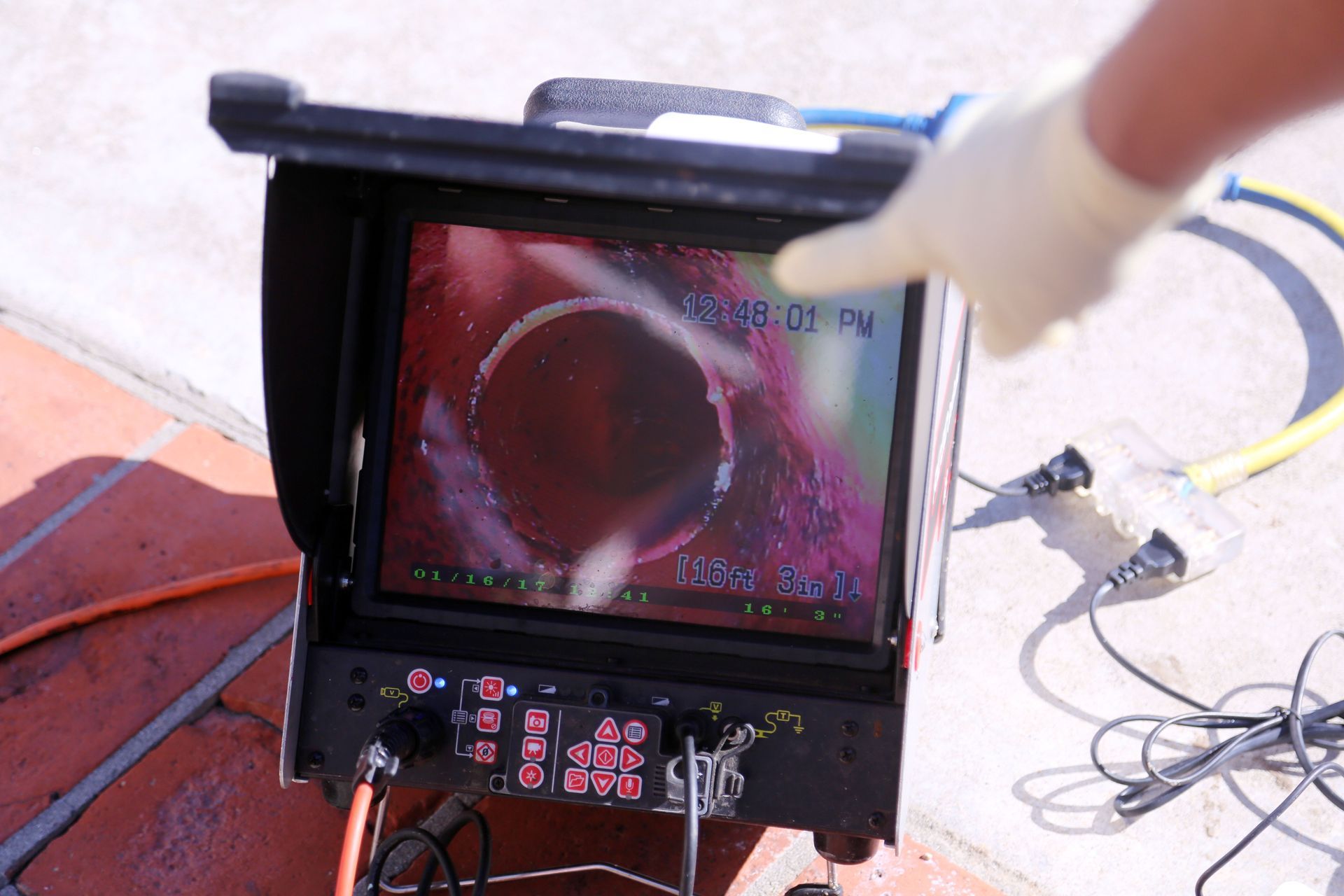
A variety of drainage issues can develop inside pipes over time, often leading to slow flow, backups, and recurring clogs. These problems are not always caused by a single material but by a combination of buildup that forms gradually inside the system. Hydro jet drain cleaning uses high-pressure water to clear these obstructions and restore flow inside pipes. This article explains the types of blockages hydro jet drain cleaning can eliminate through professional drain cleaning service methods and how different materials can affect drainage performance.
Understanding Grease and Fat Buildup
Grease and fat buildup is one of the most common causes of clogged drainage systems. Over time, cooking oils, fats, and food particles can stick to pipe walls. As more material collects, the passage inside the pipe becomes narrower. This slows water flow and can eventually lead to complete blockages. Grease does not stay soft once it enters a pipe. It hardens as it cools and mixes with other debris. This creates thick layers that are difficult to remove using standard flushing methods. Hydro jetting targets these hardened layers by using strong water pressure to break them apart and wash them away. A professional drain cleaning service often deals with grease-related blockages in kitchens, food handling areas, and other high-use systems. These environments tend to produce continuous buildup, making regular cleaning important for maintaining steady flow. Hydro jet drain cleaning is effective because it clears both the visible blockage and the residue left behind on pipe walls.
Removing Soap and Detergent Residue
Soap and detergent residue can build up slowly inside drainage lines. While these substances are designed to dissolve in water, they often combine with minerals and other particles in the pipes. Over time, this creates a sticky coating along the interior surfaces. This coating can trap additional debris and contribute to reduced water flow. In some cases, it may form a thick layer that narrows the pipe opening. Hydro jetting helps remove this buildup by washing away the residue and restoring smoother pipe surfaces. A drain cleaning service is often needed when soap residue begins to affect multiple drains in a system. Hydro jet drain cleaning can reach deep into the pipe network, clearing areas that are not easily accessed through basic cleaning methods. This helps restore normal flow and reduces the chances of recurring slow drainage.
Clearing Mineral Scale and Hard Water Deposits
Hard water contains minerals such as calcium and magnesium. When water flows through pipes, these minerals can separate and attach to pipe walls. Over time, they form a hard crust known as scale. This scale builds up layer by layer and becomes difficult to remove. It can reduce the diameter of pipes and limit water movement. In severe cases, it can cause partial or complete blockages. According to HomeGuide, hydro jetting delivers a deeper cleaning and helps keep clogs from coming back for about 2 to 3 years. This extended effect is linked to its ability to remove both soft buildup and hardened mineral deposits that standard cleaning methods may leave behind. A professional drain cleaning service often uses hydro jet drain cleaning for systems affected by long-term mineral accumulation because it restores more open and efficient flow paths inside the pipes.
Eliminating Tree Root Intrusion
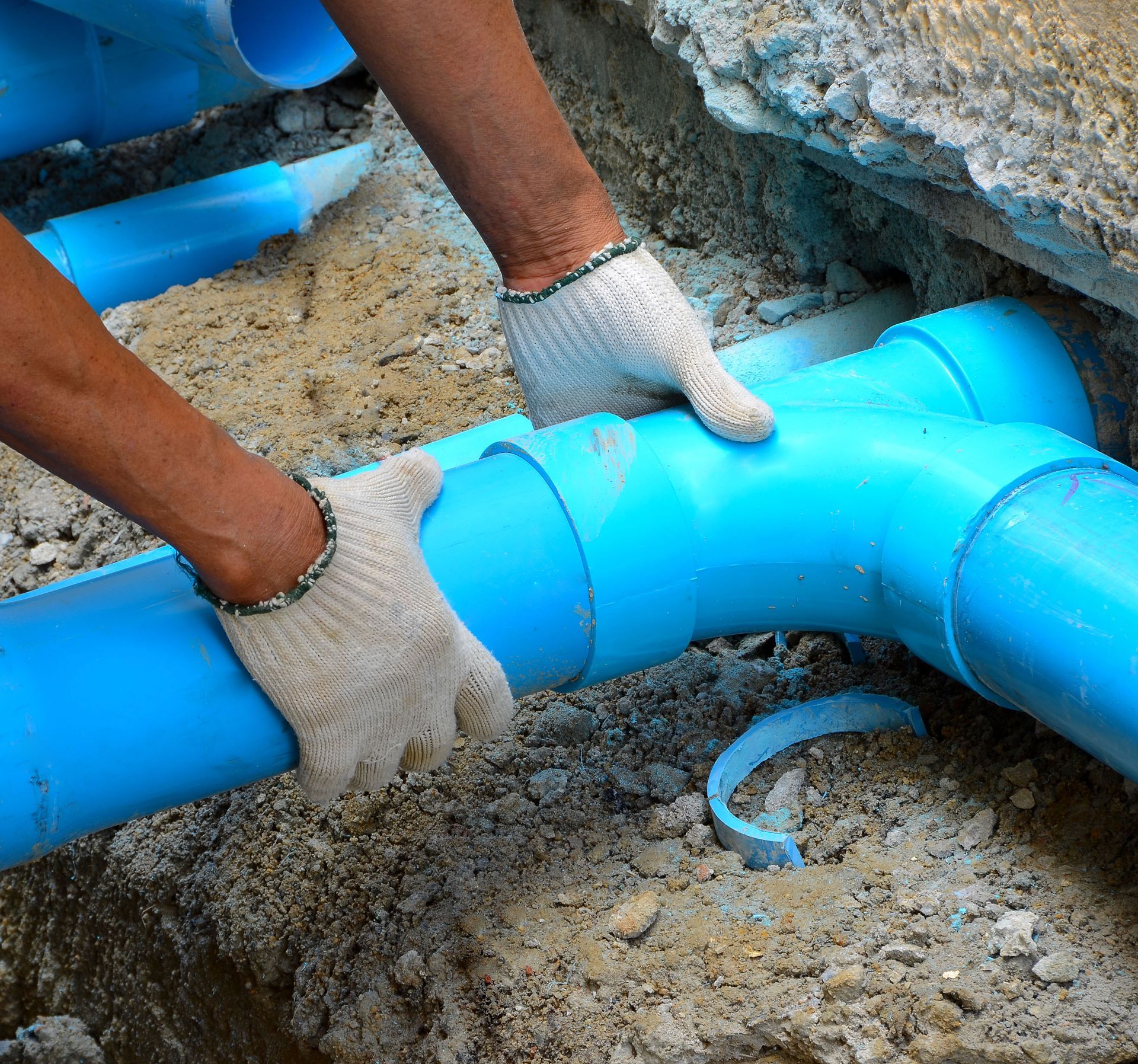
Tree roots naturally grow toward moisture sources. Underground drainage pipes often attract roots because they contain water and nutrients. Small cracks or joints in pipes can allow roots to enter and grow inside the system. Once inside, roots expand and spread along the pipe, trapping debris and restricting flow. Over time, they can form dense blockages that are difficult to break apart. Hydro jet drain cleaning uses high-pressure water streams to cut through and dislodge these root structures. While roots may initially break into smaller pieces, the cleaning process helps clear them from the pipe walls and restore flow. A drain cleaning service may recommend hydro jetting when root intrusion becomes a recurring issue in a drainage system.
Breaking Apart Sludge and Sediment Accumulation
Sludge is a mixture of organic material, dirt, and fine particles that settle inside pipes. Sediment can enter drainage systems through everyday water use, especially in areas with soil exposure or frequent debris movement. As sludge builds up, it forms thick layers that slow water movement. These layers can also trap additional waste, making the blockage larger over time. Sediment buildup may settle at low points in the pipe where water flow is weaker. Hydro jetting is effective in breaking apart these dense materials. The pressurized water clears the sludge from pipe walls and flushes it through the system. A drain cleaning service often uses hydro jet drain cleaning in systems where sludge buildup has reduced overall efficiency. Regular removal helps maintain more consistent drainage and reduces the chance of recurring blockages.
Clearing Foreign Objects and Mixed Debris
Drainage systems sometimes collect items that do not break down easily. These can include small solid materials, mixed waste, and debris carried through the system. When these materials combine with grease, soap, or sludge, they form complex blockages. These mixed blockages are often more difficult to remove because they do not respond to simple flushing. Hydro jet drain cleaning applies strong water pressure to break apart the combined mass and move it through the system. A drain cleaning service may use hydro jetting when standard methods cannot restore flow due to multiple types of debris inside the pipes. The process clears both loose and compacted materials, helping restore a more open pathway for water movement.
Improving Overall Pipe Flow Conditions
Blockages rarely form from a single source. Most drainage issues involve a combination of grease, scale, sediment, and other materials. Over time, these layers build up and reduce the efficiency of the entire system. Hydro jet drain cleaning addresses these issues by cleaning the full interior surface of the pipes. This helps remove both visible blockages and hidden buildup that can lead to future clogs. A drain cleaning service often uses hydro jet drain cleaning as part of a broader maintenance approach for systems that experience repeated drainage problems. Clean pipe walls allow water to move more freely, reducing strain on the system and improving overall performance.
Supporting Long-Term Drain Performance
Maintaining clear drainage systems requires attention to both immediate blockages and long-term buildup. Hydro jet drain cleaning provides a deeper level of cleaning that supports better long-term flow conditions. According to HomeGuide, hydro jetting delivers a deeper cleaning and helps keep clogs from coming back for about 2 to 3 years. This makes it a useful option for systems that experience frequent buildup or recurring drainage issues. A drain cleaning service can evaluate when this level of cleaning is appropriate based on the condition of the pipes and the type of blockages present. Hydro jetting works across many types of materials, including grease, mineral deposits, roots, sludge, and mixed debris. Its ability to clean the full interior surface of pipes makes it effective for restoring and maintaining drainage performance over time.
Different types of blockages can affect drainage systems, from grease buildup and mineral scale to tree roots and sediment accumulation. Hydro jet drain cleaning addresses these issues by breaking apart and removing material that restricts flow inside pipes. A drain cleaning service can apply this method to restore clearer pathways and improve system performance. For ongoing drainage concerns or recurring blockages, seeking professional drain cleaning service support from Easton Dylan Sewer & Drain can help maintain smoother flow and reduce future disruptions. Contact us today to schedule your next service.