August 24, 2026
If your drains are backing up more often than they should, you're not alone. Frequent blockages are one of the most common plumbing complaints homeowners and business owners face, and they rarely happen without a reason. Small clogs that seem to resolve on their own are often signs of a deeper issue building inside your pipes. Understanding what's causing repeat blockages can help you catch problems early, avoid costly water damage, and know when it's time to call a sewer company for a professional evaluation. Below are seven of the most common culprits behind chronic drain and sewer line issues.
1. Grease and Fat Deposits Narrow Pipe Walls
Grease, oil, and fat may go down the drain as a liquid, but they cool and solidify as they travel through your pipes. Over time, these deposits coat the interior walls of your plumbing, gradually narrowing the space available for water to pass through. This is especially common in kitchens, where cooking byproducts are regularly rinsed down the sink. As the buildup thickens, it traps food particles, soap residue, and other debris, accelerating the clogging process. A sewer company can use hydro jetting to blast away hardened grease buildup that a standard snake simply can't reach, restoring your pipes to full capacity.
2. Tree Roots Infiltrate Underground Sewer Lines
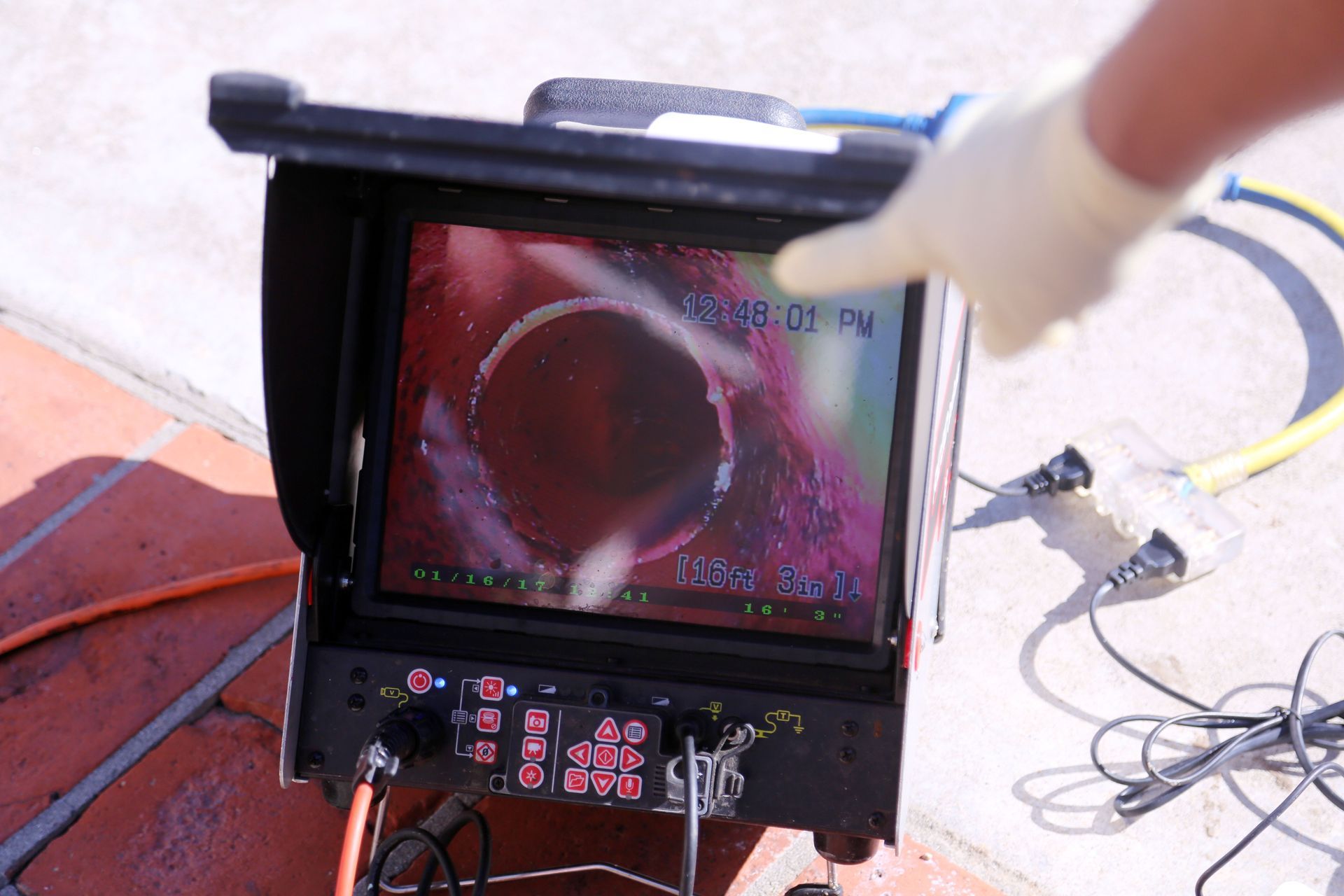
Tree roots are naturally drawn to the moisture and nutrients found inside sewer lines, and even a small crack or loose joint can give them an entry point. Once inside, roots grow rapidly, forming dense masses that trap solids and slow drainage to a crawl. Left unaddressed, root intrusion can eventually crack or collapse a pipe entirely. Homes and businesses with mature trees near their sewer lateral are especially at risk. A camera inspection performed by a sewer company can pinpoint exactly where roots have infiltrated the line, allowing for a targeted repair instead of costly, unnecessary excavation.
3. Flushed Wipes and Debris Clog Drains
Despite labels claiming otherwise, most wipes do not break down the way toilet paper does. When flushed, they bind together with grease, hair, and other debris to form dense clogs known as sewer blockages or "fatbergs." Feminine hygiene products, paper towels, and cotton swabs cause similar problems when flushed instead of thrown away. These materials often lodge at pipe joints or bends, creating a barrier that catches everything that follows. If your household regularly flushes anything beyond toilet paper, a sewer company can clear existing blockages and advise on habits that will prevent future backups.
4. Aging Pipes Corrode and Collapse
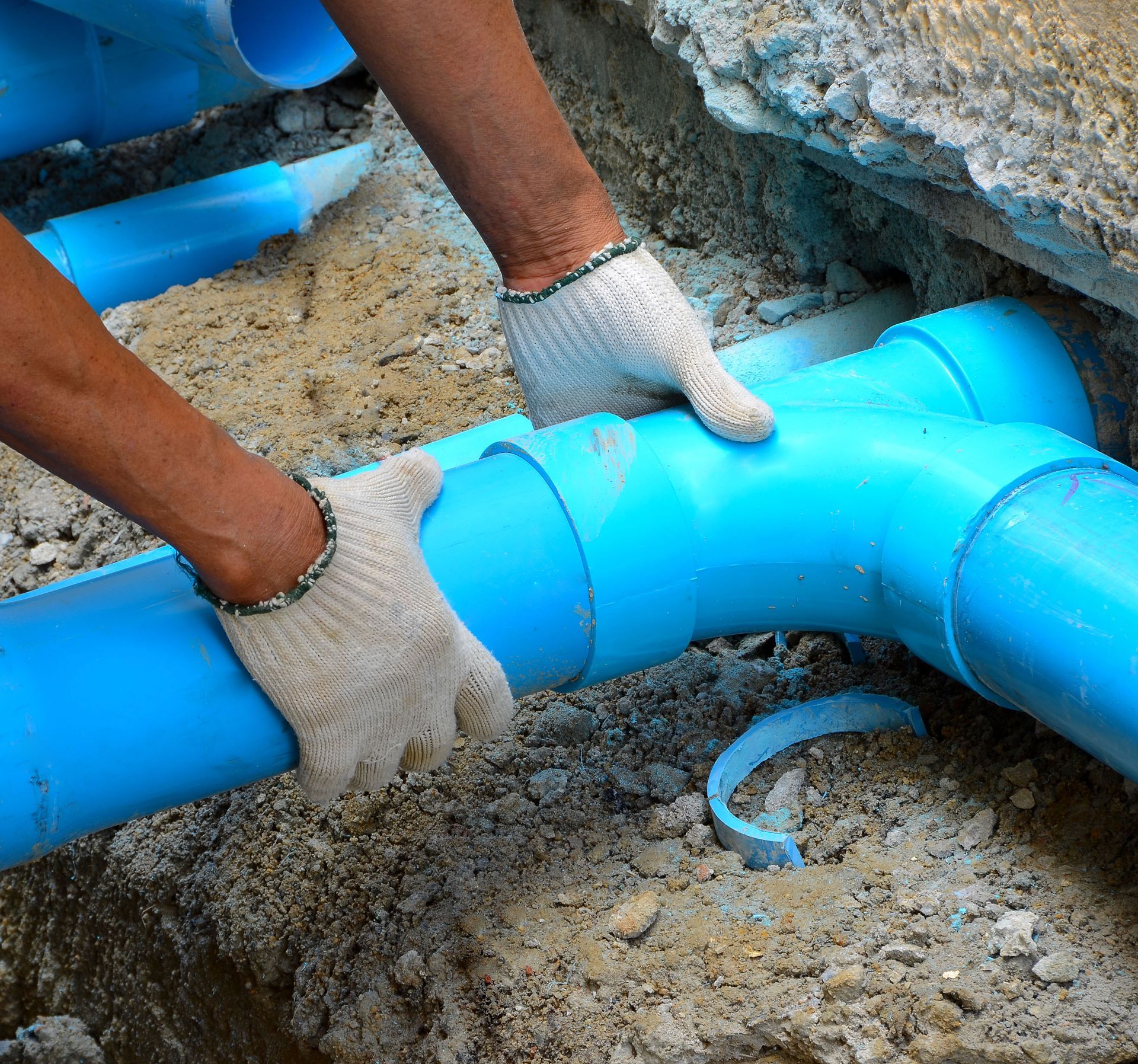
Every sewer line has a limited lifespan, and older materials are far more prone to failure. According to HomeGuide, sewer lines generally hold up for anywhere from three to 10 decades depending on what they're made of. Cast iron and clay pipes, common in older homes, are particularly susceptible to corrosion, cracking, and collapse over time. As these materials degrade, sections of pipe can cave in on themselves, creating blockages that worsen with every use. If your property has original plumbing from decades past, scheduling an inspection with a sewer company can reveal whether your lines are nearing the end of their service life.
5. Mineral Scale Buildup Restricts Water Flow
Hard water leaves behind mineral deposits that accumulate on the inside of pipes over time, much like the scale you might see in a kettle or coffee maker. As these deposits thicken, they reduce the pipe's internal diameter and create a rough surface that catches debris more easily than a smooth one. This buildup is a gradual process, which is why many property owners don't notice reduced flow until a blockage occurs. Routine drain cleaning helps keep mineral scale from accumulating to problematic levels, and a sewer company can recommend a maintenance schedule suited to your water hardness and usage.
6. Foreign Objects Obstruct Drain Passages
Toys, jewelry, food scraps, and other small items that make their way into drains are a leading cause of sudden, severe blockages. Unlike gradual buildup, foreign object clogs tend to happen without warning and often require more than a simple plunger to resolve. Garbage disposals are especially vulnerable, as improperly disposed items can jam the unit and back up connected drain lines. When a foreign object clog resists basic at-home remedies, a sewer company has the specialized tools, including drain snakes and camera equipment, to locate and remove the obstruction without damaging your pipes.
7. Shifting Soil Damages Sewer Lines
Ground movement caused by seasonal freeze-thaw cycles, heavy rainfall, or nearby construction can shift the soil surrounding underground sewer lines. This movement puts pressure on pipes, leading to misalignment, cracks, or bellied sections where wastewater pools instead of flowing freely. Once a low spot forms in a pipe, it becomes a magnet for debris and solids, resulting in recurring blockages at the same location. Because this type of damage happens below ground, it often goes undetected until backups become frequent. A professional sewer company can use camera inspections to identify shifted or damaged sections before they lead to a full pipe failure.
Exploring How Warning Signs Signal Recurring Blockages
Recurring blockages rarely appear without warning. Slow-draining sinks, gurgling sounds from toilets, and foul odors near drains are all early indicators that something is obstructing your pipes. Water backing up in unexpected places, such as a shower drain bubbling when the washing machine runs, often points to a shared line issue rather than an isolated clog. Ignoring these signs typically allows the underlying problem to worsen, turning a minor inconvenience into an emergency repair. Paying attention to these patterns and addressing them promptly can save significant time, money, and stress in the long run.
Understanding How Regular Maintenance Prevents Costly Repairs
Consistent upkeep is one of the most effective ways to avoid frequent blockages altogether. Scheduling routine drain cleaning removes buildup before it becomes severe, while periodic camera inspections catch structural issues like root intrusion or pipe damage early. Simple habits, such as avoiding grease disposal down the sink and being mindful of what gets flushed, also go a long way toward keeping lines clear. Property owners who invest in preventative maintenance typically experience fewer emergencies and extend the overall lifespan of their plumbing system, making it a worthwhile long-term investment.
Frequent blockages are rarely a coincidence, and treating the same symptom over and over without addressing the underlying cause can lead to bigger, more expensive problems down the road. Whether the issue stems from grease buildup, root intrusion, aging pipes, or shifting soil, a proper diagnosis is the first step toward a lasting fix. Attempting to manage recurring clogs with store-bought solutions or repeated plunging often masks the real problem rather than solving it, which is why working with experienced professionals matters. They have the equipment, training, and diagnostic tools to identify the true source of a blockage and recommend a repair that actually holds up over time.
If your drains keep backing up no matter how many times you clear them, it's time to get to the root of the problem. At Easton Dylan Sewer & Drain, we offer camera inspections, hydro jetting, and full drain and sewer services to homeowners and businesses throughout the Capitol Region. Contact us today for a free phone estimate and let our team put a stop to your recurring blockages for good.